
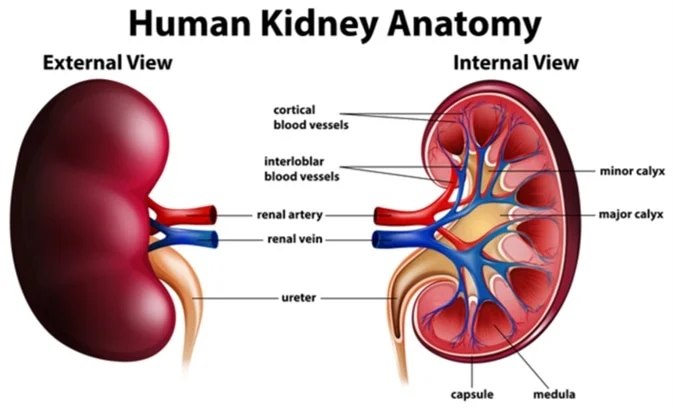
In our paper published by the Seminars in Nephrology journal series of Jan 2024, we extensively review HIV/TB in kidney disease. We bring together the latest information about diagnosing ad managing this devastating triad.
Human immunodeficiency virus (HIV) and tuberculosis (TB) are the leading infectious causes of death globally. HIV/TB have devastating effects on the kidneys, leading to accelerated decline of kidney function as well as mortality. We discuss the epidemiology of HIV/TB coinfection and the kidney and the key mechanisms of kidney disease including genetic susceptibility. The clinical presentation and pathology, as well as the challenges of diagnosing CKD in these patients, also are discussed…
We clearly outline the full spectrum managing these challenging cases across the full spectrum of chronic kidney disease from stage 1 through to end stage kidney disease (kidney failure)..
Human immunodeficiency virus (HIV) and tuberculosis (TB) remain two of the world’s leading infectious health challenges, particularly in low- and middle-income regions. While both are heavily recognized for their impact on the immune system and lungs, their combined effect on kidney health is often overlooked—with severe consequences.
When HIV and TB co-occur, they create a high-risk scenario for kidney damage, accelerating organ decline and raising mortality rates if left unmanaged.
How HIV and TB Affect the Kidneys
The combination of HIV and TB damages the kidneys through several distinct pathways:
- Direct Infection & Inflammation: HIV can directly infect kidney cells, causing HIV-associated nephropathy (HIVAN). Simultaneously, TB causes systemic inflammation and granulomatous infection that further impairs renal structures.
- Genetic Vulnerability: Certain genetic factors—such as APOL1 gene variants common in individuals of African descent—substantially increase the risk of rapid kidney decline when triggered by viral infection.
- Medication Side Effects & Interactions: Treatment for both diseases requires complex drug regimens. Certain antiretrovirals and anti-TB medications carry risk of kidney toxicity (nephrotoxicity), and managing drug-drug interactions without stressing the kidneys requires careful clinical balance.
Diagnosis and Treatment Challenges
Managing kidney disease in patients with HIV/TB coinfection presents unique clinical obstacles:
- Hidden Progression: Early-stage chronic kidney disease (CKD) rarely causes obvious symptoms. Without routine screening, damage is often discovered late.
- Dose Adjustments: As kidney function drops, medications must be precisely adjusted to avoid toxic buildup while maintaining effective treatment against both infections.
- Advanced Care Access: For patients whose kidneys fail, transitioning to long-term dialysis or kidney transplantation requires complex coordination and resources that are often limited in high-burden settings.
Key Steps for Protecting Kidney Health
Protecting kidney function in co-infected individuals requires proactive clinical management:
- Routine Monitoring: Regular blood tests (e.g., serum creatinine, eGFR) and urine tests (proteinuria screening) to catch decline early.
- Medication Audits: Choosing regimens that minimize kidney toxicity and adjusting dosages as renal clearance changes.
- Early Antiretroviral & TB Therapy: Prompt, well-managed treatment reduces direct viral and bacterial injury to kidney tissues.